Perimenopause is the 4-10 year transition preceding menopause, characterized by rising follicle-stimulating hormone (FSH), wildly fluctuating estrogen levels, declining progesterone, and ultimately sustained hypoestrogenism. Menopause itself is defined retrospectively as 12 consecutive months without a period. Our clinical framework centers on precise symptom mapping, targeted laboratory workup, and individualized treatment using modern low-dose hormone regimens or robust non-hormonal alternatives.
What is actually happening during perimenopause?
The ovarian follicle pool declines throughout reproductive life, accelerating sharply in the late 30s and early 40s. As follicle quality and quantity drop, the pituitary secretes more FSH in an attempt to recruit viable eggs—FSH levels often spike to >25 IU/L during early perimenopause. Estradiol doesn't simply fall in a linear fashion; it swings erratically—some cycles produce supraphysiologic estrogen (causing breast tenderness, heavy bleeding), others produce almost none (triggering hot flashes, insomnia). Progesterone, which requires ovulation to be secreted by the corpus luteum, declines earlier and more consistently, often by age 42-44. This estrogen-progesterone imbalance explains the chaotic bleeding patterns and mood volatility many women describe. Eventually, as follicles deplete entirely, estrogen stabilizes at menopausal levels (<20 pg/mL), FSH remains persistently elevated (>40 IU/L), and menses cease. The North American Menopause Society (NAMS) 2022 position statement provides the most current evidence synthesis on this endocrine cascade.
Which symptoms signal perimenopause and how do we confirm it?
Vasomotor symptoms—hot flashes and night sweats—affect roughly 75% of perimenopausal women, with 25-30% experiencing severe, disruptive episodes. Cycle irregularity (cycles <21 or >35 days apart) is often the first objective sign. Sleep fragmentation, independent of night sweats, stems from altered thermoregulation and declining progesterone's GABAergic effects. Mood changes—irritability, anxiety, depressive symptoms—correlate with estrogen volatility rather than absolute levels. Vaginal dryness, dyspareunia, and urinary urgency emerge later as estrogen-dependent vulvovaginal tissues thin. Brain fog and memory lapses are real: estrogen modulates hippocampal function, and the transition temporarily disrupts cognitive performance in some women.
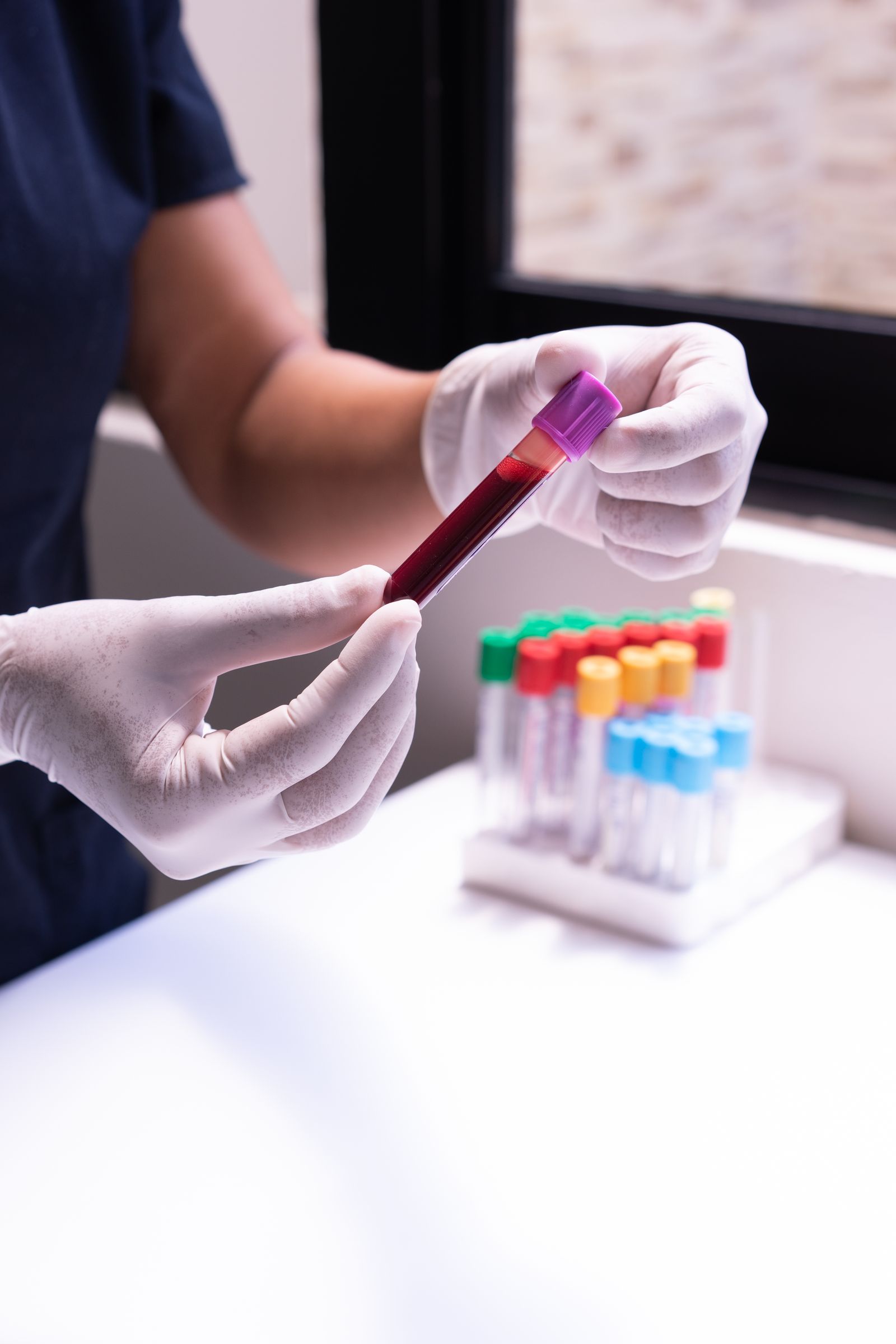
Laboratory confirmation uses FSH, estradiol, and anti-Müllerian hormone (AMH) measured on cycle day 2-4 if cycles persist. An FSH >25 IU/L with low AMH (<1.0 ng/mL) supports perimenopause; FSH >40 IU/L on two occasions 4-6 weeks apart suggests late transition or menopause. However, hormone levels fluctuate wildly during perimenopause—a "normal" FSH one month doesn't rule it out. We rely more on clinical pattern recognition: a 46-year-old with previously regular cycles now experiencing 50-day intervals, night sweats, and mood lability likely doesn't need labs for diagnosis. Thyroid function (TSH, free T4) and complete blood count rule out mimics like thyroid dysfunction or anemia from heavy bleeding.
What does modern hormone replacement therapy look like?
The 2002 Women's Health Initiative (WHI) study halted many HRT prescriptions after reporting increased cardiovascular and breast cancer risk with oral conjugated equine estrogens plus medroxyprogesterone acetate. Subsequent re-analysis of WHI data revealed critical nuance: women who started HRT before age 60 or within 10 years of menopause showed reduced all-cause mortality and no increase in coronary disease. The elevated risks were concentrated in women starting therapy after age 60 or more than 10 years post-menopause. The synthetic progestin medroxyprogesterone acetate, not progesterone itself, drove much of the breast cancer signal.
Modern protocols use bioidentical 17-beta estradiol (transdermal patches or gels, bypassing hepatic first-pass metabolism and reducing clot risk) at physiologic doses (0.025-0.05 mg daily). For women with an intact uterus, we pair estradiol with micronized progesterone (Prometrium, 100-200 mg oral at bedtime) rather than synthetic progestins—progesterone shows no increase in breast cancer risk in large observational cohorts and improves sleep quality via its metabolite allopregnanolone. Women who've had a hysterectomy receive estrogen alone. Locally applied vaginal estradiol (10 mcg tablets or cream) treats genitourinary syndrome of menopause with minimal systemic absorption.
We initiate HRT during perimenopause if vasomotor symptoms disrupt function, typically after ruling out contraindications: active breast cancer, history of venous thromboembolism, untreated endometrial hyperplasia, or active liver disease. The 2022 NAMS statement affirms that for symptomatic women under 60 within 10 years of menopause, benefits outweigh risks. We reassess annually, but there's no arbitrary stop date—many women continue low-dose therapy into their 60s and beyond.
What are the evidence-based non-hormonal options?
For women who decline or cannot use HRT, several interventions show meaningful efficacy. Paroxetine 7.5 mg (Brisdelle, the only FDA-approved non-hormonal for hot flashes) reduces vasomotor symptom frequency by approximately 50% versus placebo in randomized trials. Other SSRIs (escitalopram 10-20 mg, citalopram 10-20 mg) and SNRIs (venlafaxine 75 mg, desvenlafaxine 100 mg) show similar efficacy. Gabapentin 300 mg three times daily reduces hot flash scores by 40-50% and is particularly useful for women with concurrent migraines or sleep disruption.
Cognitive-behavioral therapy for insomnia (CBT-I) addresses the sleep fragmentation that persists even after hot flashes resolve. A 2019 meta-analysis demonstrated that CBT-I reduces sleep latency and night awakenings more effectively than sleep hygiene education alone. Stellate ganglion blocks—a brief interventional procedure targeting the sympathetic nerves in the neck—show promising results in small studies, reducing hot flashes by 50-80% for 1-6 months, though accessibility remains limited.
Cognitive training programs and aerobic exercise (150 minutes weekly of moderate-intensity activity) improve executive function and verbal memory during the transition, likely by increasing hippocampal brain-derived neurotrophic factor (BDNF). Vaginal moisturizers (hyaluronic acid-based, used 2-3 times weekly) and lubricants improve dyspareunia, though they don't reverse atrophy as vaginal estrogen does.
What lifestyle modifications anchor any treatment plan?
Resistance training 2-3 times weekly preserves lean mass and bone mineral density—estrogen decline accelerates bone resorption, and women lose approximately 1-2% of bone density annually in the first 5-7 years post-menopause. We recommend lifting heavy enough to fatigue within 8-12 repetitions. Adequate protein intake (1.0-1.2 g/kg/day) supports muscle protein synthesis, which becomes less efficient after menopause.
Sleep hygiene becomes non-negotiable: cool bedroom temperature (65-68°F to accommodate thermoregulatory shifts), blackout curtains, consistent sleep-wake times. Limiting alcohol to ≤3 drinks weekly reduces hot flash triggers and improves sleep architecture—alcohol fragments REM sleep and worsens night sweats. Eliminating caffeine after noon helps many women; caffeine's half-life extends with age.
Dietary patterns matter for cardiovascular risk, which rises sharply after menopause as estrogen's protective effects wane. We favor Mediterranean-style eating: fatty fish 2-3 times weekly (providing omega-3s that modulate inflammation), abundant non-starchy vegetables, extra virgin olive oil, nuts, and limited refined carbohydrates. This pattern reduces LDL cholesterol and arterial stiffness better than low-fat diets in postmenopausal cohorts.
Stress management—whether through mindfulness-based stress reduction (MBSR), yoga, or simple daily walks—lowers cortisol and norepinephrine, both of which worsen vasomotor symptoms. An 8-week MBSR program reduced hot flash severity by 40% in a controlled trial.
How do we structure ongoing care?
We see perimenopausal patients every 3-4 months initially to titrate treatment and monitor response. Once stable on HRT or non-hormonal therapy, visits extend to every 6 months. Annual screening includes lipid panel, fasting glucose or HbA1c (insulin resistance increases after menopause), TSH, and 25-OH vitamin D. Bone density scanning (DEXA) begins at age 65 or earlier if risk factors exist—prior fracture, glucocorticoid use, BMI <21, smoking.
We adjust HRT dosing based on symptom control, not lab values—chasing a specific estradiol number is unnecessary and often misleading given assay variability. If hot flashes persist on 0.05 mg estradiol, we increase to 0.075 mg. If sleep doesn't improve, we may increase progesterone to 200 mg or split the dose. For vaginal symptoms unresponsive to systemic HRT, we add local estradiol.
This framework—precise diagnosis, individualized treatment, lifestyle anchors, and iterative adjustment—applies whether a woman is 42 and perimenopausal or 58 and a decade into menopause. The goal isn't to replace ovarian function entirely but to relieve symptoms, preserve bone and cardiovascular health, and maintain quality of life during a transition that, for many women, spans a quarter of their lifespan.