First-Time GuestsEnjoy 20% off your first treatment at Akira Signature Care.
Articles
Evidence-based perspectives on medical aesthetics, longevity science, and precision health — written by our physicians.
Leer en Español
PRP vs PRF: When Each Regenerative Therapy Wins
PRP releases growth factors immediately, ideal for microneedling and laser. PRF releases them slowly over 7-10 days, excelling in under-eye hollowing and slower-healing zones. Choice depends on tissue type and treatment depth.
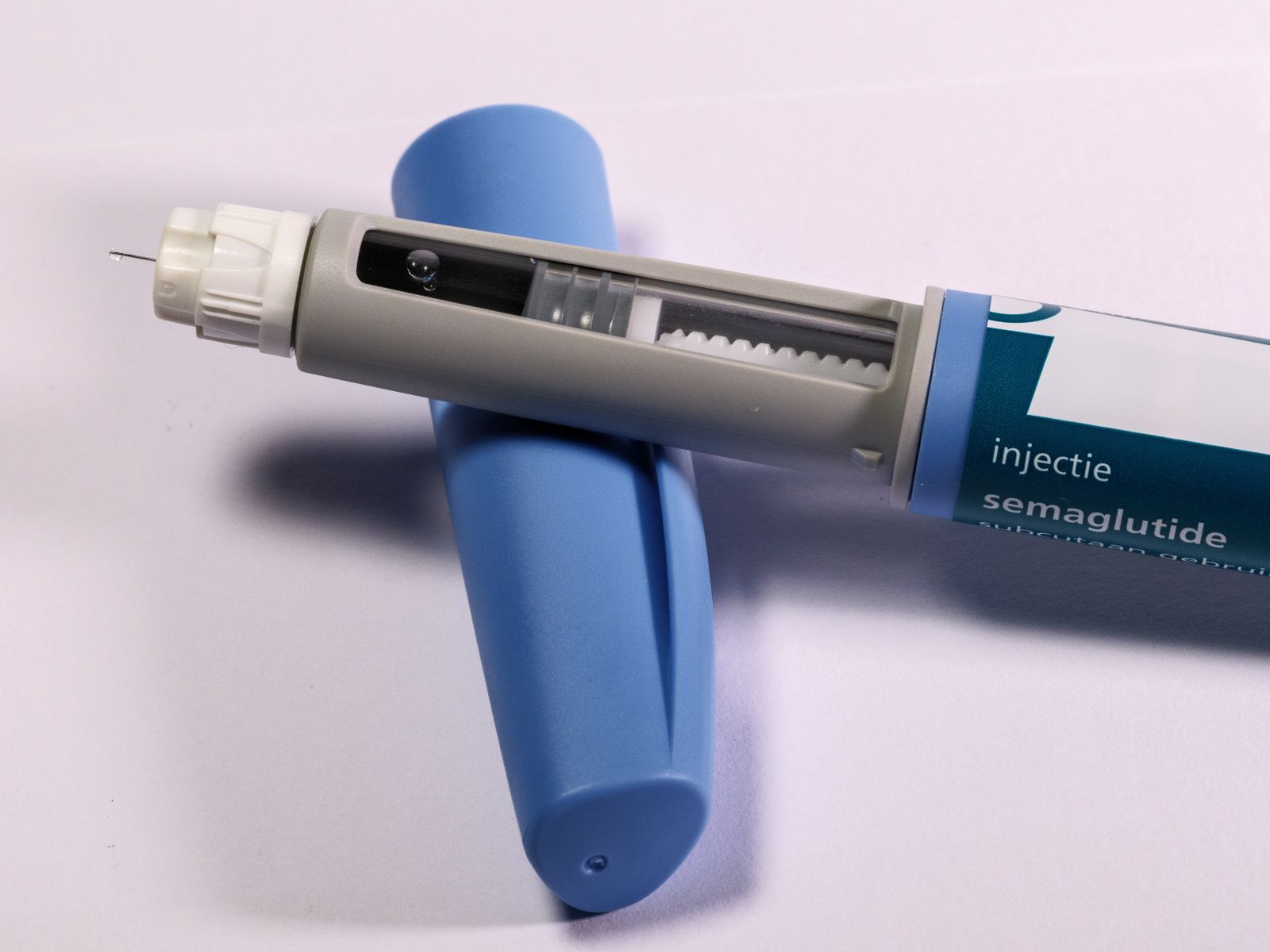
GLP-1 medications for weight loss: a physician's complete guide to what they do, who they're for, and what to ask before starting
GLP-1 receptor agonists mimic an intestinal hormone that slows digestion, reduces appetite, and improves insulin response—producing 15-22% total body weight loss in trials when combined with lifestyle changes.

Perimenopause and menopause: a physician's framework for understanding what's happening and what to do about it
Perimenopause is the 4-10 year transition before menopause, marked by rising FSH, erratic estrogen, declining progesterone, then full hypoestrogenism. Our approach: map symptoms, confirm with labs, then tailor treatment using modern HRT protocols or evidence-based non-hormonal options.

Biological age vs. chronological age: how we measure it, why it matters, and what actually moves the needle
Biological age reflects how well your cells and systems are aging, independent of years lived. We compare GrimAge, PhenoAge, and DunedinPACE—what they predict, their limitations—and the evidence-backed interventions that genuinely influence them.
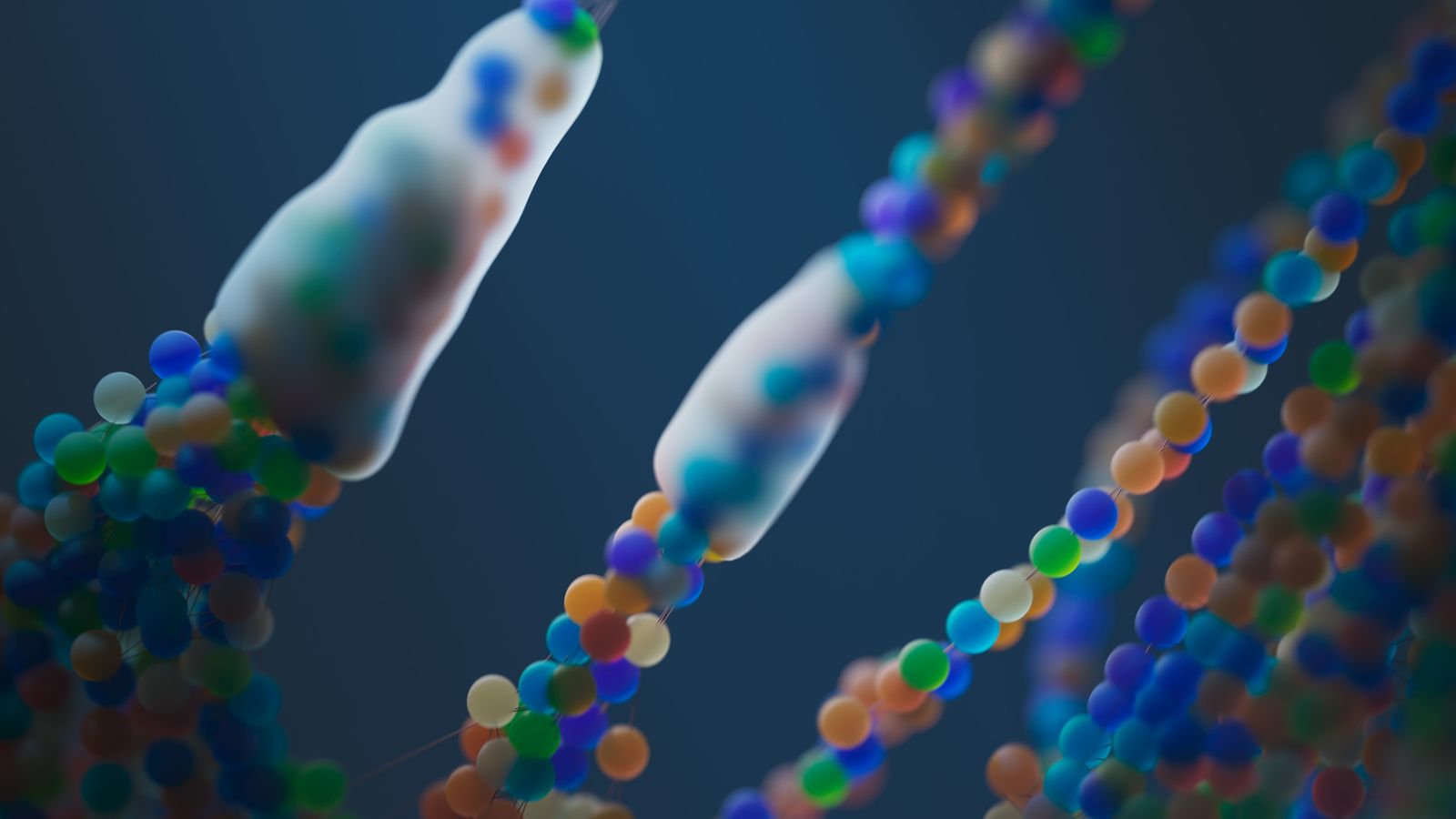
Your microbiome, your genes, your biomarkers: how multi-omics turns data into personalized care
Multi-omics combines genomics, transcriptomics, microbiome analysis, and metabolomics into a unified view of your health, enabling precision interventions tailored to your unique biology.

The aesthetics treatment hierarchy: what to start with, what to layer, and what to skip
Start with skincare foundation and sunscreen, layer in-clinic skin health treatments like peels and microneedling, add RF tightening and HIFU if needed, then injectables last—never before the basics are right.
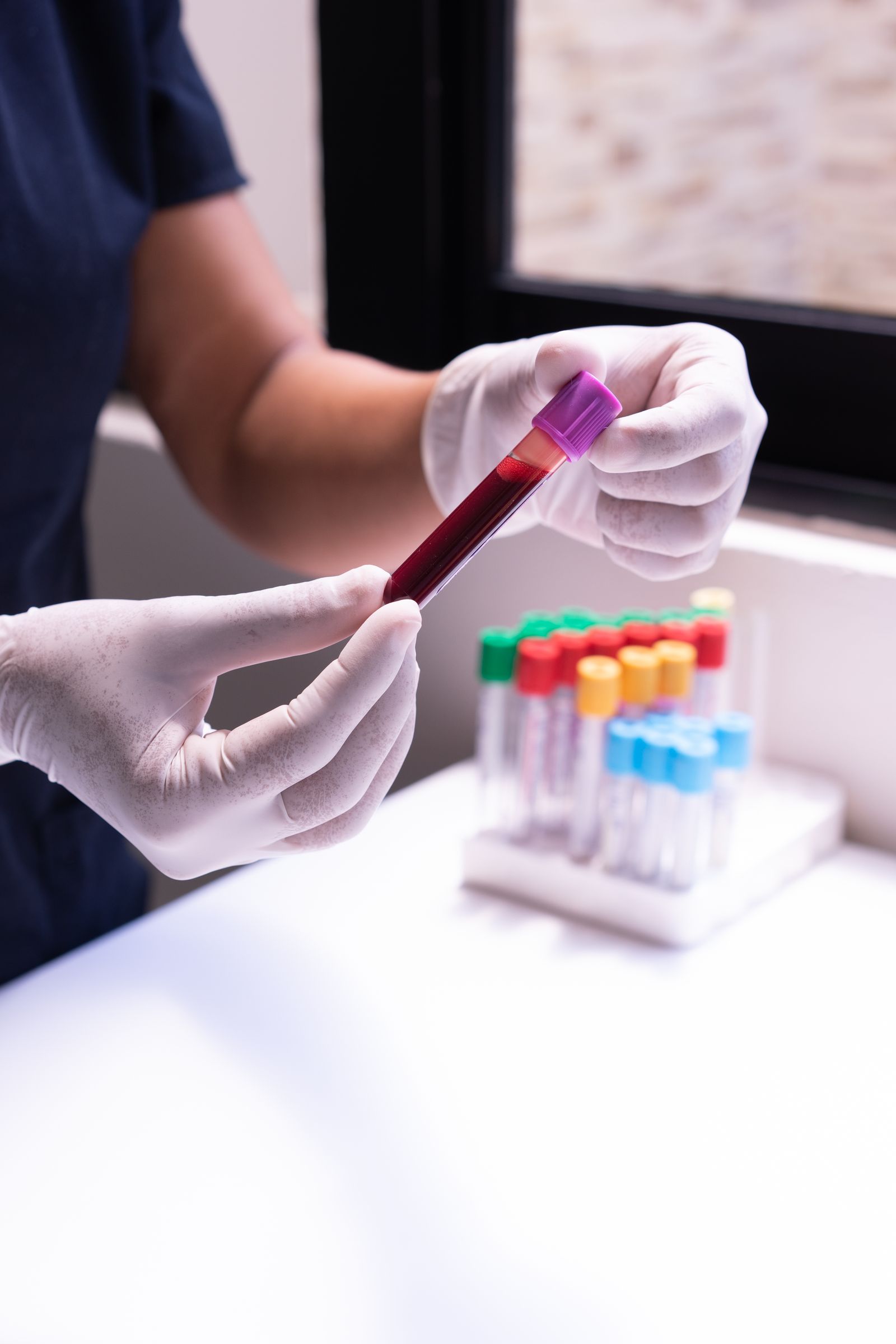
Bioidentical hormones: what the term actually means and what the evidence shows
Bioidentical hormones are molecularly identical to those your body produces. FDA-approved formulations like 17β-estradiol and micronized progesterone have strong safety data, while compounded claims often lack evidence.
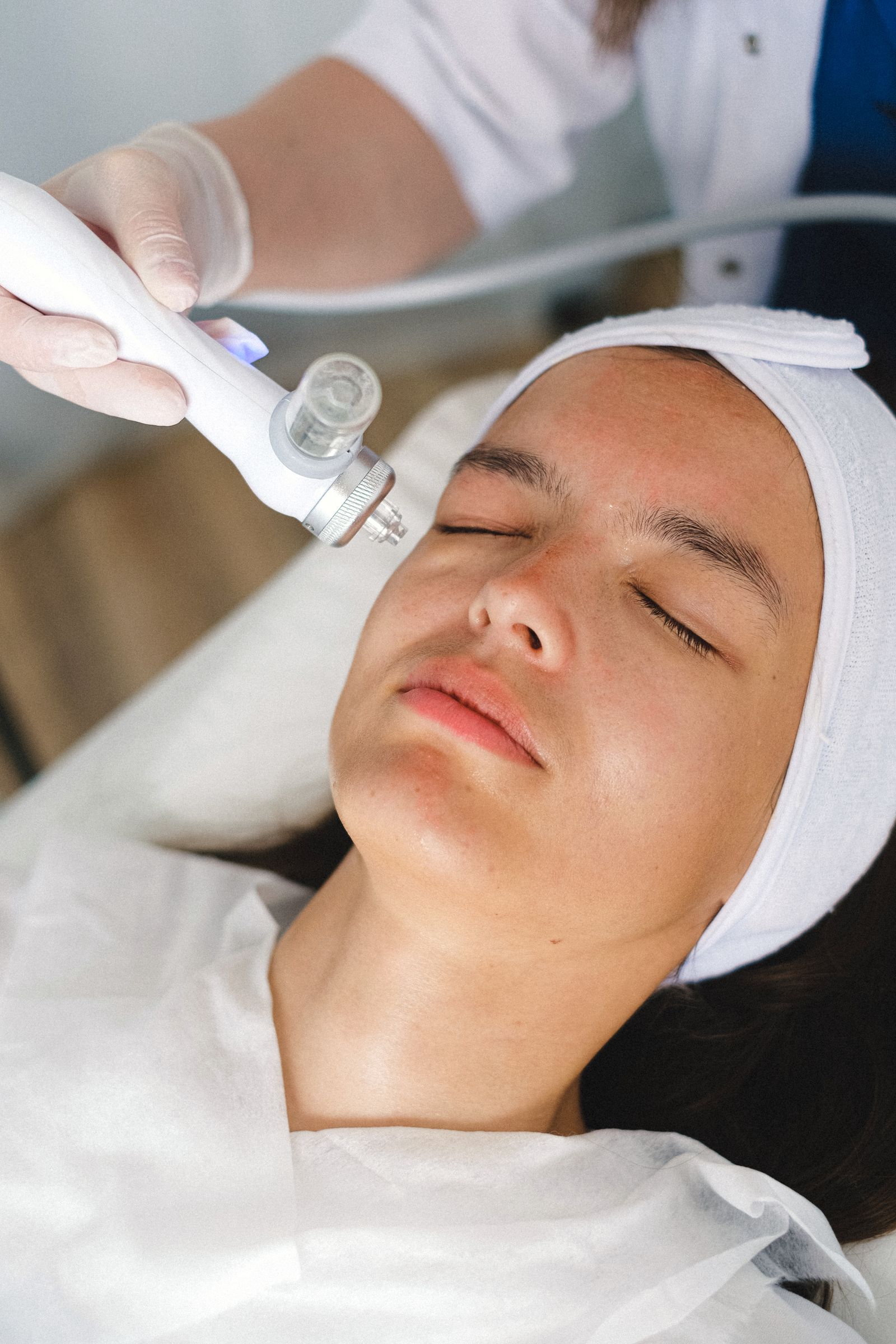
HIFU vs. Ultherapy vs. radiofrequency: what each does and which is right for you
HIFU targets the SMAS layer at 4.5mm for structural lift, Ultherapy is the original FDA-cleared HIFU platform, and radiofrequency heats the dermis for collagen tightening. Each addresses different tissue depths and patient goals.
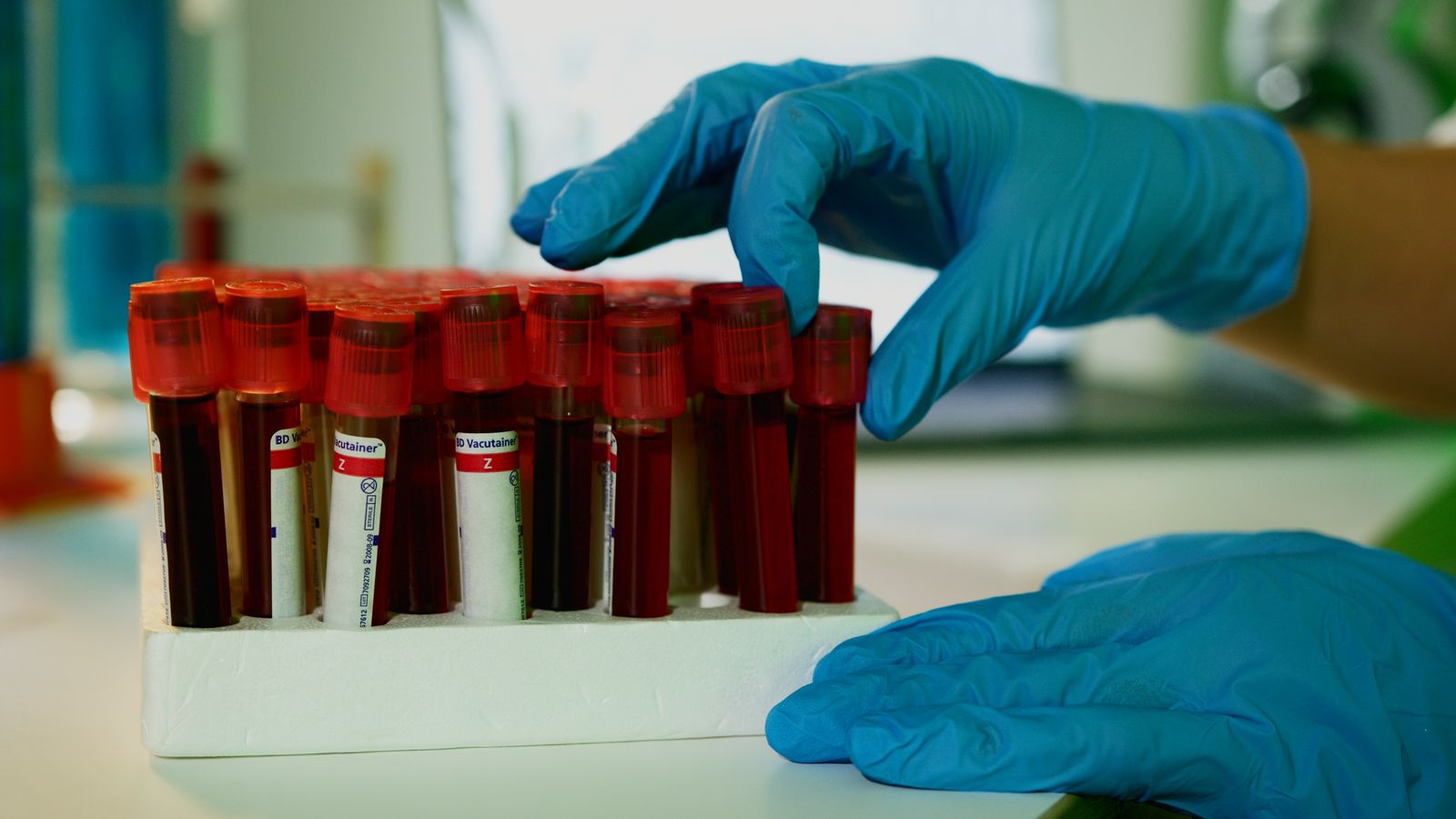
Root-cause medicine: how we investigate symptoms when standard labs come back normal
When routine labs are normal but you feel unwell, we use a five-pillar functional medicine workup—expanded biomarkers, functional reference ranges, and validated inflammatory panels—to uncover root causes.
The five biomarkers most predictive of healthspan (and how to test them)
ApoB, HbA1c with fasting insulin, hsCRP, VO2max, and grip strength are the five biomarkers with the strongest evidence for predicting healthspan. Each is modifiable through specific interventions.

The Akira approach: why we built a precision wellness clinic in the San Gabriel Valley
Dr. Angie Trias explains why Alhambra needed a clinic that combines medical aesthetics with precision health — addressing what you see in the mirror and what's happening beneath the surface.
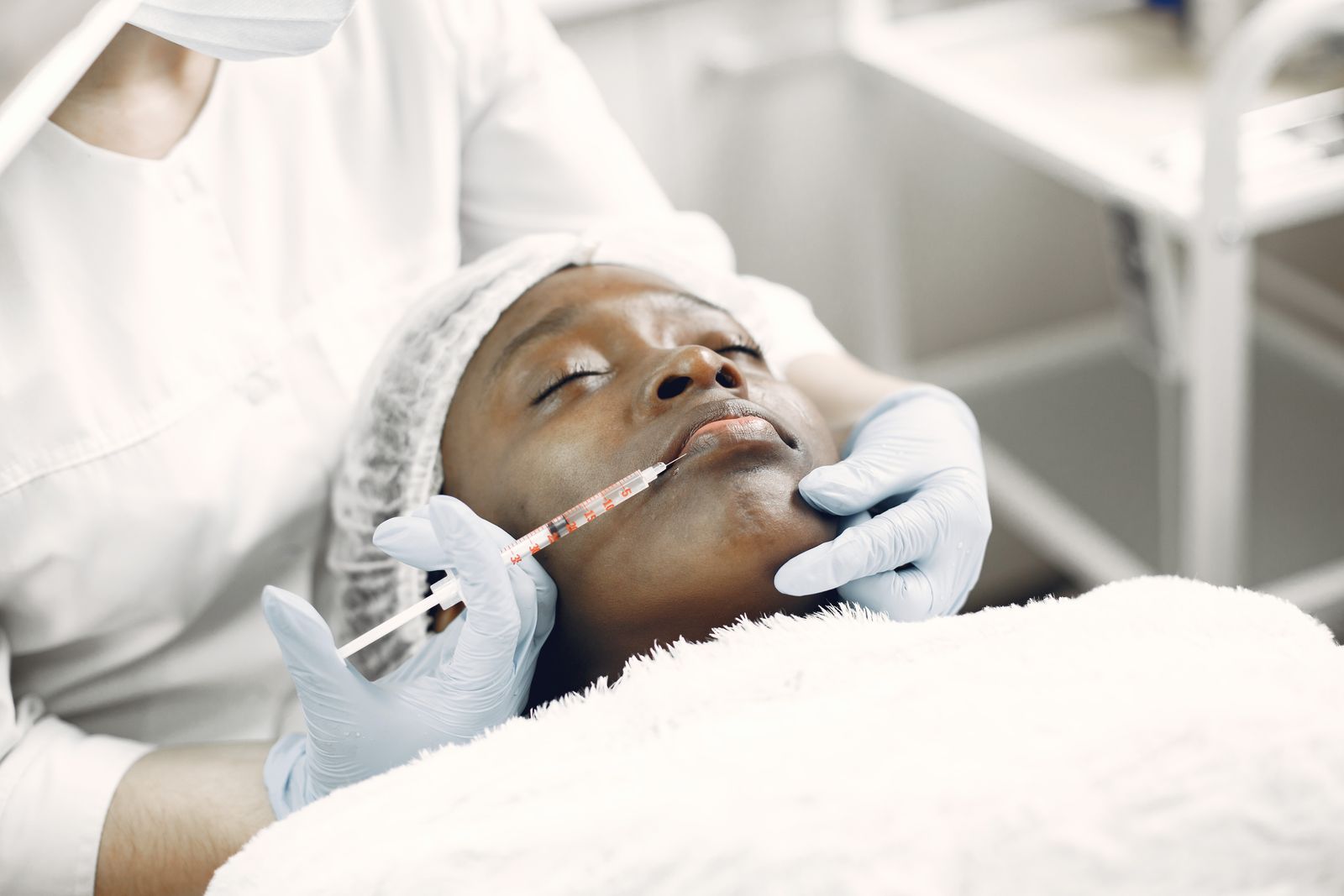
Botox vs Dysport vs Xeomin vs Letybo: A Physician's Side-by-Side Comparison
Botox, Dysport, Xeomin, and Letybo are all FDA-approved botulinum toxin type A neuromodulators, but they differ in onset speed, diffusion radius, protein content, and duration—distinctions that determine which works best for specific facial areas and patient goals.
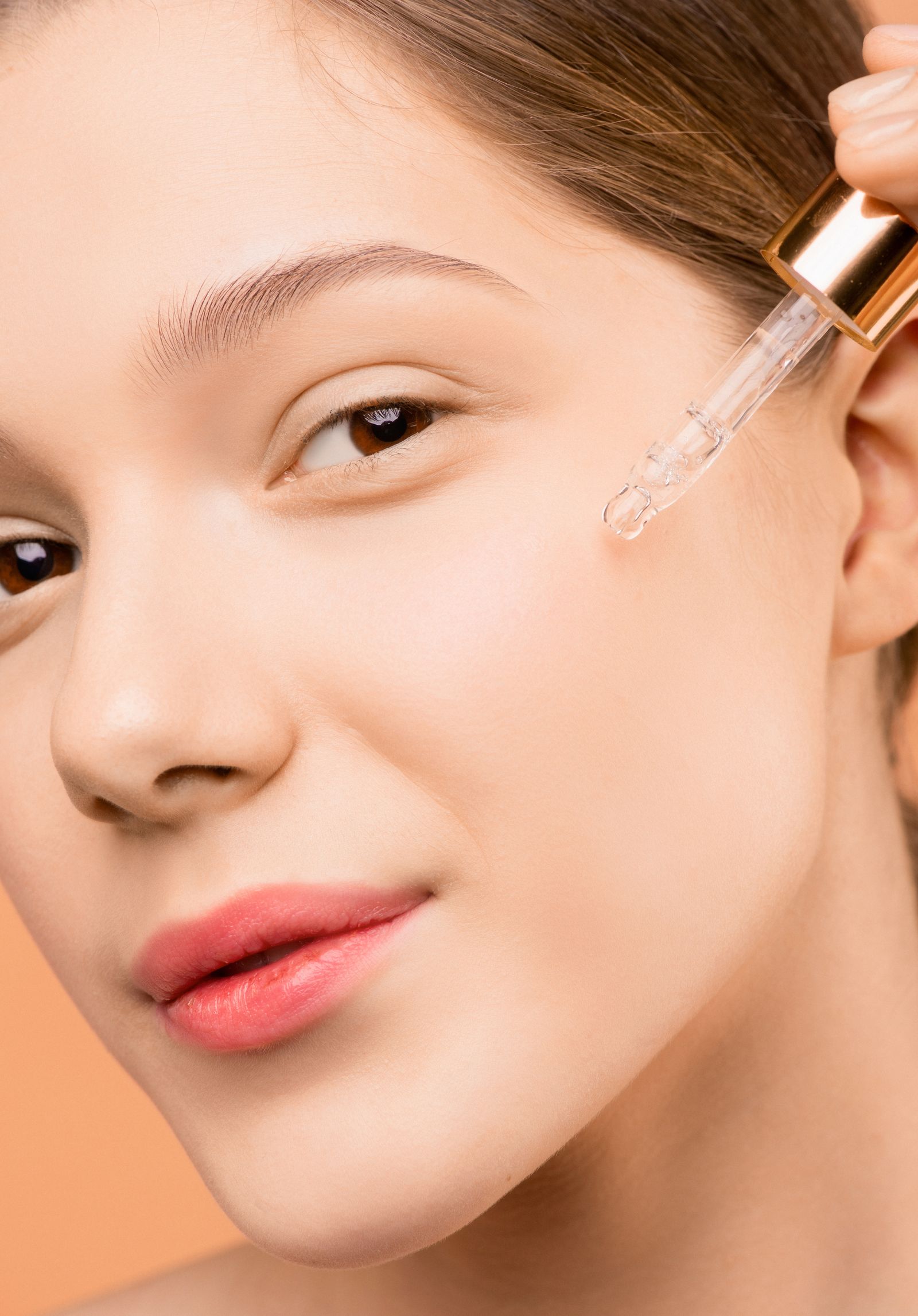
RF Microneedling vs Skin Microneedling: Which One Should You Choose?
Traditional microneedling creates controlled micro-injuries to trigger collagen, while RF microneedling adds radiofrequency energy at depth for stronger remodeling—ideal for laxity and deeper scarring, but with more downtime.
Thulium Laser vs CO2 Laser Resurfacing: How to Choose the Right Skin Resurfacing Treatment
Thulium (1927 nm) offers superficial resurfacing with 3-7 day recovery and lower melasma risk; CO2 (10,600 nm) penetrates deeper for severe photoaging and scarring but requires 5-10 days downtime and careful skin-tone selection.

GLP-1 vs Tirzepatide: Which Weight-Loss Medication Is Right for You?
Semaglutide (Ozempic/Wegovy) delivers ~15% weight loss via GLP-1 receptor action, while tirzepatide (Mounjaro/Zepbound) achieves ~20–22% by targeting both GLP-1 and GIP receptors.
Hormone Replacement Therapy vs Bioidentical Hormones: What's the Real Difference?
Bioidentical hormones are molecularly identical to human hormones—but the term doesn't guarantee safety or superiority. FDA-approved bioidenticals like estradiol patches differ critically from compounded formulations.